
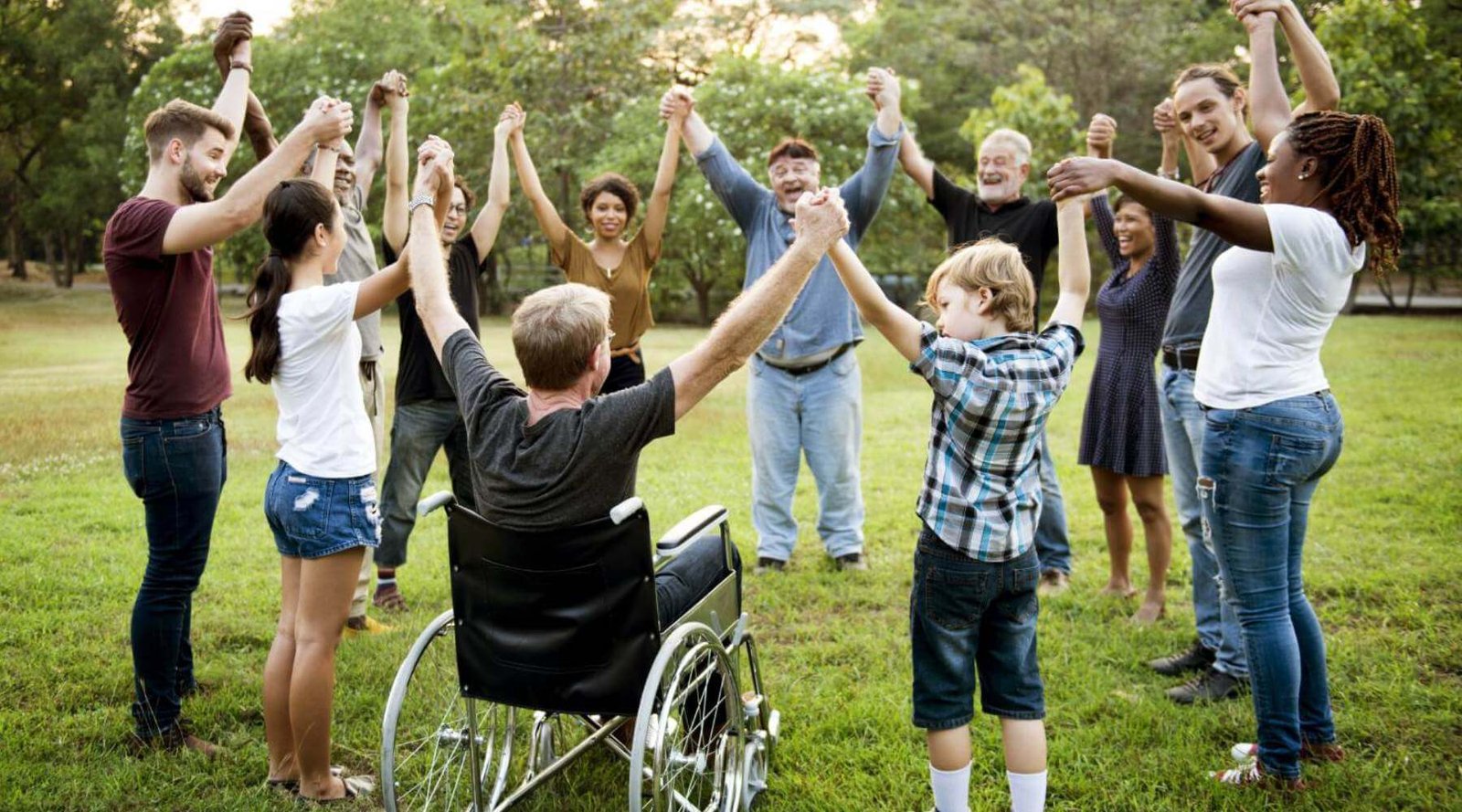
“Participate more in the community” is a valuable goal, but it becomes easier to act on when it is broken into specific experiences, skills and steps.
Begin with what matters to the person
Community participation is not a single activity. It may mean seeing friends, joining a class, attending a cultural event, volunteering, exercising, visiting the library or becoming confident using local transport. Start with genuine interests rather than choosing activities simply because they are available.
Turn a broad goal into small steps
| Broad goal | Possible first steps |
|---|---|
| Meet more people | Identify one interest-based local group, visit the venue, then attend a short session. |
| Travel more independently | Plan one familiar route, practise at a quiet time and gradually reduce prompts. |
| Try volunteering | List strengths and interests, contact one organisation and arrange an introductory visit. |
| Feel confident in public places | Choose a predictable location, agree on coping strategies and increase time slowly. |
Plan for confidence, access and safety
Consider transport, physical access, sensory environment, communication, money, medication, fatigue, personal care and how to leave if the activity becomes overwhelming. Good planning supports choice without removing reasonable opportunities to try.
Notice progress beyond attendance
Success might be initiating a conversation, choosing an activity, remembering part of a route, staying ten minutes longer or needing less prompting. Record what helped so future activities can build on it.
Keep the goal flexible
Interests and circumstances change. Review whether the activity remains meaningful and whether the level of support is right. A community goal should create connection and opportunity, not become another obligation.